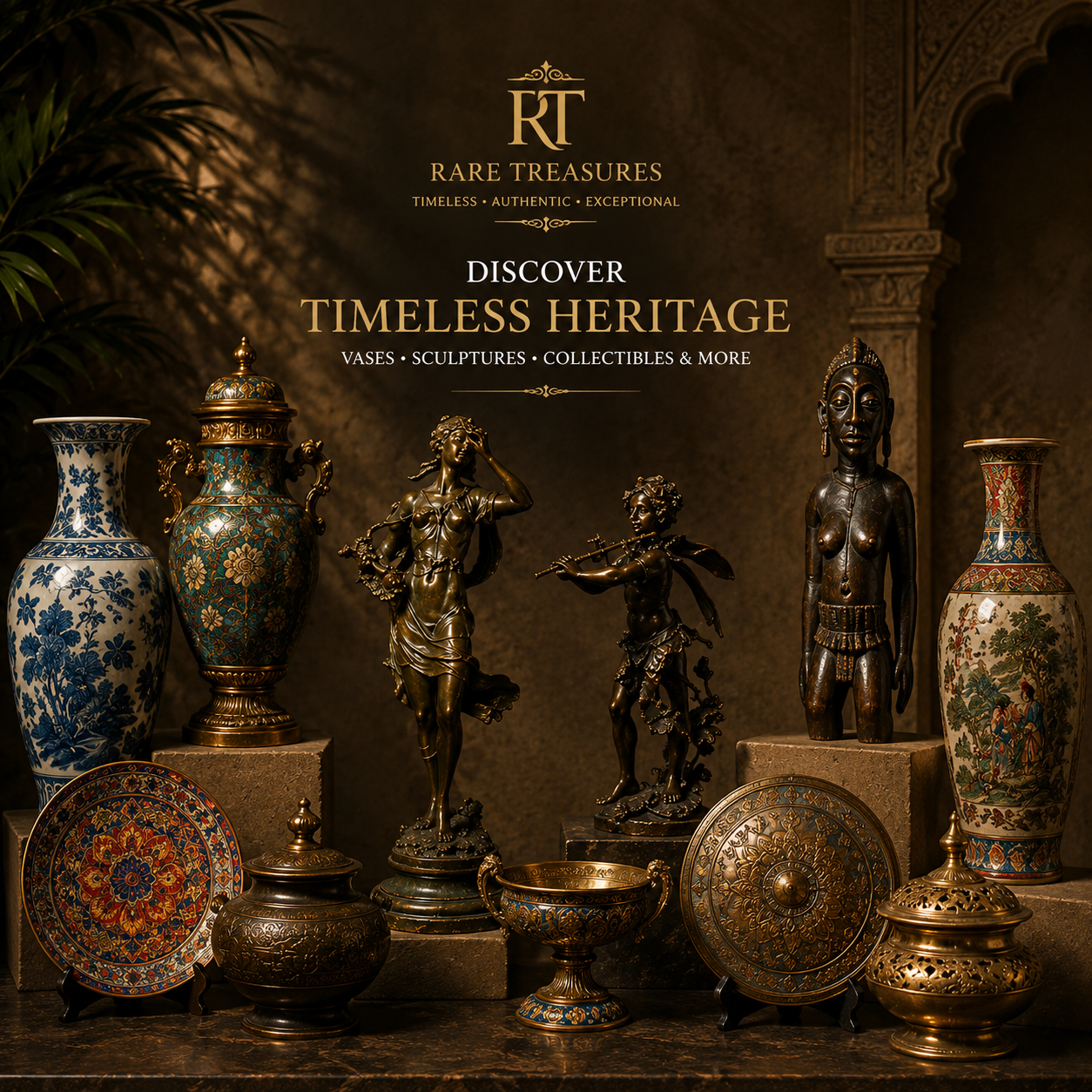


Tribal Art: Exploring the Beauty of Stone Carvings and Tribal Sculptures

Quick Answers About Tribal Art
- Tribal art reflects the cultural identity, beliefs, traditions, and stories of tribal and Indigenous communities.
- Its main forms include painting, drawing, stone carving, wood sculpture, pottery, textiles, and mask-making.
- Indian tribal art includes well-known traditions such as Warli, Gond, Bhil, and Pithora.
- Common materials include wood, stone, clay, bamboo, metal, and natural pigments.
- Tribal sculptures often depict human figures, animals, nature, and culturally meaningful symbols.
- Tribal masks can hold ceremonial, spiritual, and storytelling significance depending on their cultural origin.
- Authentic tribal art can be assessed through craftsmanship, provenance, artist information, and cultural context.
- Tribal art can bring visual interest, cultural depth, and artistic character to home interiors.
What Is Tribal Art? History, Cultural Meaning and Artistic Expression

Tribal art is much more than a collection of paintings, carvings, and decorative objects. It represents the traditions, experiences, beliefs, and creativity of communities whose artistic practices have developed over generations. From expressive wall paintings to detailed stone carvings, these art forms offer a glimpse into different ways of understanding the world.
Historically, many tribal and Indigenous communities have created art for storytelling, ceremonies, community celebrations, spiritual practices, and everyday life. Materials and techniques often reflect the natural resources available in their surroundings.
The beauty of Tribal Art lies in its diversity. Some works feature bold colours and geometric patterns, while others use simple lines, natural textures, and expressive human or animal forms. Every tradition has its own visual language, meaning, and history.
Today, collectors and art enthusiasts appreciate these creations for their craftsmanship and cultural significance. Learning about their origins helps us appreciate not only their appearance but also the people and traditions behind them.
Indian Tribal Art: Exploring Regional Traditions and Indigenous Craftsmanship
Indian tribal art encompasses a remarkable variety of regional traditions. Different communities have developed distinctive styles influenced by their environment, social customs, beliefs, and artistic practices.
Some notable examples include:
- Warli art: Originating among the Warli community of Maharashtra, this painting tradition is known for its simple geometric figures, village scenes, farming activities, and depictions of nature.
- Gond art: Associated with Gond communities, this style often features animals, plants, birds, and imaginative natural forms enhanced with intricate patterns and dots.
- Bhil art: Bhil painting is known for colourful compositions and characteristic dotted patterns, frequently inspired by nature, community life, and traditional narratives.
- Pithora painting: Practised by communities including the Rathwa and Bhil groups in parts of western India, Pithora painting is associated with ritual and ceremonial traditions.
- Traditional tribal sculpture: Depending on the community, sculpture may involve wood, stone, clay, metal, or other locally available materials.
These traditions demonstrate that Indian tribal art cannot be reduced to a single style. Each community has its own history, techniques, and cultural context.
Craftsmanship is equally important. Artists may learn through observation, family traditions, community participation, and years of practice. Supporting genuine artists and responsible sellers helps preserve these living traditions while recognising the people who create them.
Tribal Art and Stone Sculpture: Materials, Carving Techniques and Craftsmanship
Stone sculpture offers a fascinating connection between artistic imagination and natural materials. A solid piece of stone can become a human figure, an animal, an abstract form, or a detailed decorative object through careful planning and skilled carving.
Stone has been used in artistic and architectural traditions across many cultures because of its strength, availability, and ability to retain detail. However, the types of stone and carving methods vary considerably between regions and artistic traditions.
Common materials used in stone sculpture
- Black stone: Often chosen for its deep colour and striking appearance.
- Sandstone: Appreciated for its earthy tones and suitability for various carving techniques.
- Marble: Valued for its smooth surface, refined finish, and ability to capture fine details.
- Granite: Known for its hardness and durability, although it can be challenging to carve.
- Soapstone: Relatively soft compared with many other stones, making it suitable for certain detailed carvings.
The process usually begins with selecting an appropriate stone and planning the design. Artists then remove excess material using chisels, hammers, rasps, and other tools. Depending on the desired finish, the sculpture may be refined through polishing or deliberate texturing.
In Tribal Art, stone carvings can be appreciated for their shapes, surfaces, and expressive qualities, but their cultural attribution should always be based on reliable information. Not every stone sculpture is a tribal artwork, and identifying its origin requires more than visual appearance.
Tribal Sculptures and Their Cultural Symbolism: Stories Behind the Forms

Tribal sculptures can communicate ideas that are difficult to express through words alone. Their forms may reflect relationships with nature, community identity, ancestral traditions, spiritual beliefs, or important events.
Human figures, for example, may represent everyday life, relationships, movement, or symbolic ideas. Animal sculptures can reflect local wildlife, traditional stories, or the importance of particular species within a community's worldview.
Abstract forms are equally interesting. Rather than representing a person or animal realistically, an artist may simplify shapes to emphasise movement, balance, emotion, or a particular idea.
When exploring Tribal Art, it is important to understand that the meaning of a symbol can differ from one community to another. A motif that has a ceremonial meaning in one tradition may have a different significance elsewhere.
Before purchasing a sculpture, consider learning about:
- The artist or community associated with the work.
- The materials and techniques used.
- The meaning of any documented symbols or figures.
- The region and period in which the piece was created.
- Whether the sculpture is contemporary, traditional, or an older collectible.
This background makes collecting more meaningful because the artwork becomes a connection to a story, not simply an object displayed on a shelf.
Tribal Masks: Traditional Designs, Materials and Cultural Significance
Tribal masks are among the most visually striking forms of traditional art. Their expressive faces, bold patterns, carved features, and distinctive shapes attract attention, but their original purposes can extend far beyond decoration.
In various African, Asian, and other Indigenous traditions, masks have been associated with ceremonies, performances, storytelling, community celebrations, and spiritual practices. Their significance depends on the specific culture and the context in which they are used.
Traditional masks may be made from wood, clay, bamboo, fibres, or other locally available materials. Some are painted with natural pigments, while others feature carved patterns, textiles, shells, or additional decorative elements.
Several features make masks particularly interesting to collectors:
- Expressive faces: Exaggerated eyes, noses, and mouths can create powerful visual effects.
- Distinctive textures: Carved surfaces, pigments, and natural materials give each piece a unique appearance.
- Cultural storytelling: Certain masks are connected to particular narratives, performances, or ceremonies.
- Handcrafted details: Variations in shape and finish can reveal the maker's technique.
When buying a mask, investigate its origin and intended use. Some masks are created specifically for the contemporary art market, while others may have ceremonial or community significance. Responsible collecting means respecting those distinctions and avoiding unsupported claims about authenticity.
From Abstract Stone Figures to Figurative Sculptures: Understanding Different Artistic Styles
Sculpture is a broad artistic category that includes realistic representations, stylised figures, and completely abstract compositions. Understanding these differences helps collectors identify the kinds of pieces that appeal to them.
Abstract sculptures focus on shape, proportion, texture, and movement rather than realistic representation. A carved stone figure may use simplified curves and irregular surfaces to create a sense of balance or emotion.
Figurative sculptures depict recognisable subjects, such as people, animals, or human relationships. The artist may emphasise facial expression, posture, clothing, or the interaction between figures.
Relief sculptures feature designs carved into a relatively flat surface. Depending on the depth of the carving, the figures may project slightly or stand out prominently from the background.
Decorative sculptures are created primarily for visual enjoyment and display. They may draw inspiration from nature, architecture, historical styles, or contemporary design.
An Abstract Handmade Stone Sculpture of an Embracing Couple, for example, can be discussed in terms of its figurative subject, emotional expression, and carved form. An Abstract Stone Figurine of a Cloaked Woman offers a different opportunity to explore the relationship between simplified shapes and recognisable human figures.
These styles can complement a discussion of Tribal Art, but the categories should not be confused. A sculpture's style alone does not establish its cultural origin.
Tribal Art and Modern Interiors: How Sculptures Add Character to a Space

Art can transform an ordinary room into a space that feels personal and thoughtfully arranged. Tribal-inspired artwork and sculptures can introduce natural textures, distinctive silhouettes, and visual contrast into modern interiors.
The key is to choose pieces that suit the room without overwhelming it.
Simple ways to display sculptures
- Living rooms: Place a medium-sized sculpture on a console table or a carefully chosen pedestal.
- Entryways: Use a distinctive artwork as a focal point that welcomes visitors.
- Bookshelves: Display smaller sculptures alongside books, ceramics, or other collected objects.
- Study rooms: Choose an expressive piece that reflects your interests and creates a point of visual interest.
- Minimalist interiors: A single sculptural object can stand out against a simple background.
Stone sculptures work particularly well with materials such as wood, linen, metal, and natural stone. Their textures can soften the appearance of contemporary furniture and introduce an organic element.
When arranging a collection, pay attention to scale, lighting, and negative space. Too many objects placed together can make a room feel crowded, while a carefully positioned sculpture allows its details to be appreciated.
Cultural sensitivity also matters. If an artwork has ceremonial or religious significance, learn about its appropriate display and handling before treating it as a decorative accessory.
Exploring Sculpture Styles Beyond Tribal Art: Stone, Mosaic and Murano Glass
Although Tribal Art is the focus of this guide, exploring other sculpture styles helps collectors understand the wider world of decorative and fine art.
Stone, mosaic, and glass sculptures offer different approaches to colour, texture, form, and craftsmanship.
Stone sculptures
Stone sculptures are appreciated for their solid structure, natural texture, and lasting visual presence. Their appearance can range from rough and expressive to smooth and highly polished.
A Carved Black Stone Vishvarupa Stele, for instance, can be explored through its sculptural details, religious iconography, and historical or artistic context. Any specific attribution or age should be supported by reliable documentation.
Art Deco and mosaic sculptures
Art Deco is associated with geometric forms, streamlined shapes, and stylised decoration. Mosaic techniques create images and patterns by arranging small pieces of materials such as glass or stone.
An Art Deco Mosaic Female Torso Sculpture provides an example of how figurative form and decorative surfaces can work together. It belongs in a discussion of broader sculpture and design traditions rather than automatically being classified as tribal art.
Murano glass sculptures
Murano, an island near Venice, is internationally known for its glassmaking traditions. Glass artists use techniques such as blowing, shaping, and layering colours to create decorative objects with distinctive forms.
A Pair of Murano Hand-Blown Cockatoo Parrot Glass Sculptures illustrates how a recognisable animal subject can be interpreted through colour, transparency, and glass craftsmanship.
These examples broaden the reader's understanding of sculpture while reinforcing an important distinction: different artistic traditions deserve to be identified and appreciated on their own terms.
Collectors exploring decorative and sculptural objects can browse the relevant categories at Rare Treasures India, checking each listing for its materials, description, condition, and available provenance information.
How to Choose Tribal Art and Stone Sculptures: A Collector's Buying Guide

Choosing a sculpture can be exciting, particularly when a piece combines attractive design with interesting craftsmanship. However, appearance should not be the only factor guiding a purchase.
A thoughtful buying process helps you select artwork that suits your space, interests, and budget.
What should you check before buying?
1. Understand the origin
Look for information about the artist, region, community, and cultural tradition. Ask the seller for supporting documentation where available.
2. Examine the craftsmanship
Look closely at the carving, surface finish, proportions, and details. Handmade pieces may show natural variations, but craftsmanship should be assessed in context rather than judged by uniformity alone.
3. Check the material
Confirm whether the sculpture is made from natural stone, wood, glass, or another material. Photographs may not always reveal the exact composition.
4. Assess its condition
Inspect for cracks, chips, repairs, unstable bases, or missing elements. For older objects, ask whether restoration work has been carried out.
5. Consider size and placement
Measure your intended display area before ordering. Check the object's weight and stability, especially if it will be placed on a shelf or pedestal.
6. Ask about authenticity and provenance
Age, cultural origin, and authenticity are separate questions. A handmade sculpture is not necessarily antique, and a traditional-looking design does not prove a tribal origin.
7. Buy responsibly
Prefer sellers who provide transparent descriptions and respect the cultural rights and interests of artists and source communities.
For people exploring Tribal Art and decorative sculptures online, Rare Treasures India offers a starting point for discovering different artistic styles. Review the details of individual listings carefully to ensure that the object matches your expectations.
Preserving Tribal Art and Sculptures: Care, Display and Long-Term Value
Proper care helps maintain a sculpture's appearance and reduces the risk of accidental damage. The most suitable approach depends on the material, age, surface treatment, and condition of the object.
Here are some practical guidelines:
- Stone sculptures: Remove loose dust with a soft brush. Avoid household cleaners, acidic products, and abrasive tools.
- Wooden sculptures: Keep them away from excessive moisture, direct sunlight, and sudden environmental changes.
- Painted masks: Avoid rubbing the painted surface, as pigments and coatings may be fragile.
- Glass sculptures: Handle with clean, dry hands where appropriate and place them on stable surfaces away from edges.
- Older or fragile pieces: Seek professional conservation advice before cleaning, repairing, or applying protective coatings.
Placement is just as important as cleaning. Use a stable stand or display cabinet, avoid areas where objects can be knocked over, and ensure that heavy sculptures are supported by furniture capable of bearing their weight.
The long-term value of Tribal Art depends on several factors, including cultural importance, artist attribution, condition, rarity, documentation, and collector demand. No single feature guarantees that a piece will appreciate financially.
Ultimately, preserving these objects is about more than maintaining their appearance. Responsible care also helps retain the craftsmanship, stories, and cultural knowledge associated with them.
Conclusion
Tribal Art offers a meaningful way to explore the relationship between creativity, cultural identity, and craftsmanship. From Indian painting traditions to carved stone figures and expressive masks, these works reveal the diversity of artistic practices across communities.
Stone sculptures add another dimension through their materials, textures, and three-dimensional forms. Whether a collector prefers abstract figures, detailed carvings, or contemporary decorative sculptures, understanding the artwork's origin and technique makes the experience more rewarding.
By researching provenance, choosing responsibly, and caring for each piece appropriately, collectors can appreciate these objects beyond their decorative appeal. For anyone interested in discovering distinctive sculptural forms, exploring carefully described collections at Rare Treasures India can be a useful starting point.
FAQs

1. What is Tribal Art?
Tribal Art includes artistic traditions associated with tribal and Indigenous communities. It encompasses painting, sculpture, carving, pottery, textiles, masks, and other forms of creative expression.
2. What are the main types of Tribal Art?
Major forms include painting, drawing, wood carving, stone sculpture, pottery, mask-making, and textile arts. The styles and practices differ between communities.
3. What is Indian tribal art famous for?
Indian tribal art is known for diverse regional traditions, including Warli, Gond, Bhil, and Pithora painting, along with many forms of traditional craft and sculpture.
4. What materials are used to create tribal sculptures?
Depending on the tradition, artists may use wood, stone, clay, metal, bamboo, fibres, and other locally available materials.
5. What is the cultural significance of tribal masks?
Tribal masks may be used in ceremonies, performances, storytelling, or community rituals. Their significance depends on their particular cultural origin and intended purpose.
6. How is tribal art different from folk art?
Tribal Art is associated with particular tribal or Indigenous communities, while folk art is a broader category of community-based artistic traditions. The two categories can overlap.
7. How can I identify authentic tribal sculptures?
Research the artist, cultural background, materials, provenance, and craftsmanship. Request documentation when available, and avoid relying on appearance alone to determine authenticity.
8. Can tribal sculptures be displayed in modern homes?
Yes. Sculptures can complement contemporary interiors through their shapes, textures, and visual contrast. Consider the object's cultural significance and appropriate display practices.
9. How should I care for stone tribal sculptures?
Dust them gently with a soft, dry brush and avoid harsh chemicals or abrasive cleaning methods. Fragile or historically significant sculptures may require professional conservation.
10. What should I consider before buying Tribal Art online?
Check the description, materials, dimensions, condition, seller information, cultural attribution, and available provenance. Confirm shipping arrangements and return policies before purchasing.